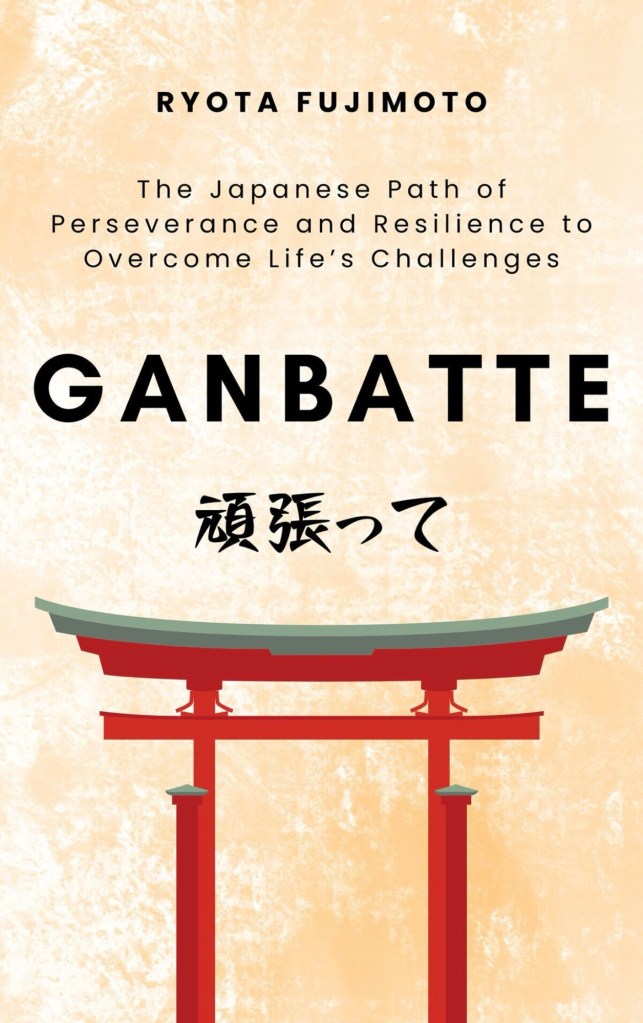
This simple word, which can be translated as “Do your best,” “Hang in there,” or “Don’t give up,” actually carries an entire mindset within it.
*******
The word itself is built around the verb ganbaru (頑張る), which means to persevere, to hold on, to give the best of oneself. But as is often the case with Japanese, its meaning cannot be reduced to a single translation.
Ganbatte is far more than “do your best.” It is an invitation to effort, a call to draw on one’s inner resources to see things through, whatever the cost. There are no excuses. There are no shortcuts. You move forward.
Ganbatte is inseparable from other concepts that shape the Japanese mindset.
First, there is gaman (我慢), the ability to endure without complaining, to grit one’s teeth in silence. It is the idea that sometimes you simply have to hold on, not give in, even when everything becomes difficult. It may seem harsh, but it is an essential virtue in a society that values resilience more than the open expression of emotion.
Then there is shōganai (しょうがない), an expression heard everywhere in Japan, which roughly means, “it is what it is, there is nothing we can do about it.” It might sound like fatalism, but in reality, it is the opposite.
Accepting what lies beyond our control allows us to focus our energy on what we can change. And that is where Ganbatte finds its full meaning.
We accept the situation, we acknowledge the obstacles, but we do not give up.
*******
Ganbatte, gaman. Determination and endurance.
*******
If you accept that “difficult” does not mean “impossible,” you will start to see opportunities where others see walls.
*******
noh
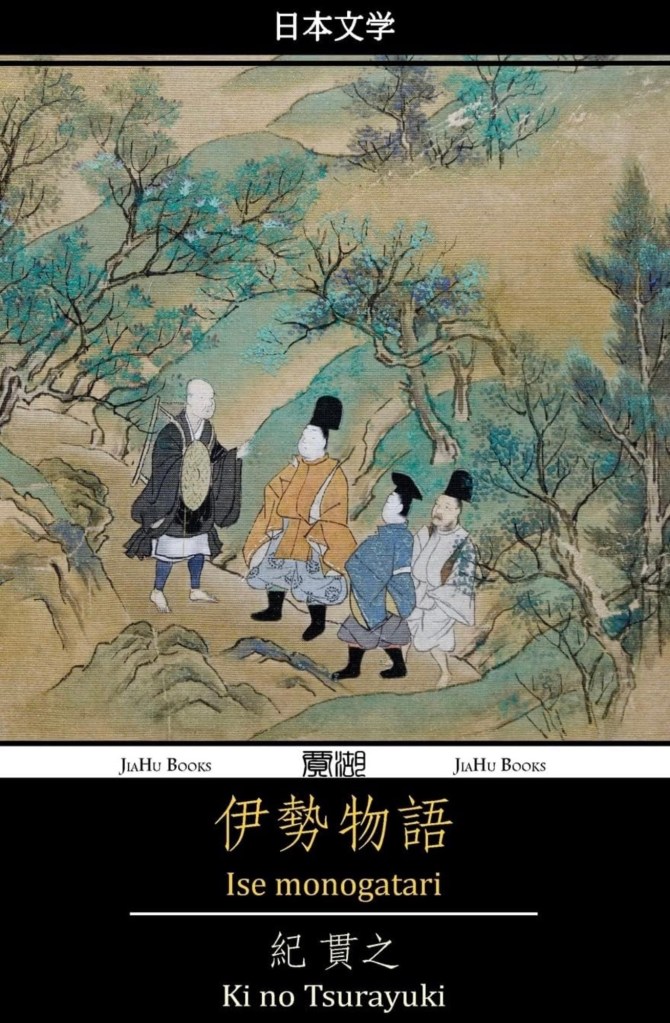
A major form of Japanese musical drama, Noh has been performed since the fourteenth century, and is still regularly performed today. Traditionally, a Noh programme includes five plays with comic interludes (kyōgen); an okina Noh play, centred on a venerable old man and hence usually celebratory (see next entry), may be presented in the very beginning, especially at New Year and on other special occasions. Noh plays may be based on classic works of literature, such as the Kokinshū, The Tales of Ise and The Tale of Genji. Much of the pleasure of the plays derives from the poetic language sung in a rhythmic style and the many literary allusions.
*******
omoi/ omohi – thoughts or feelings, especially of love
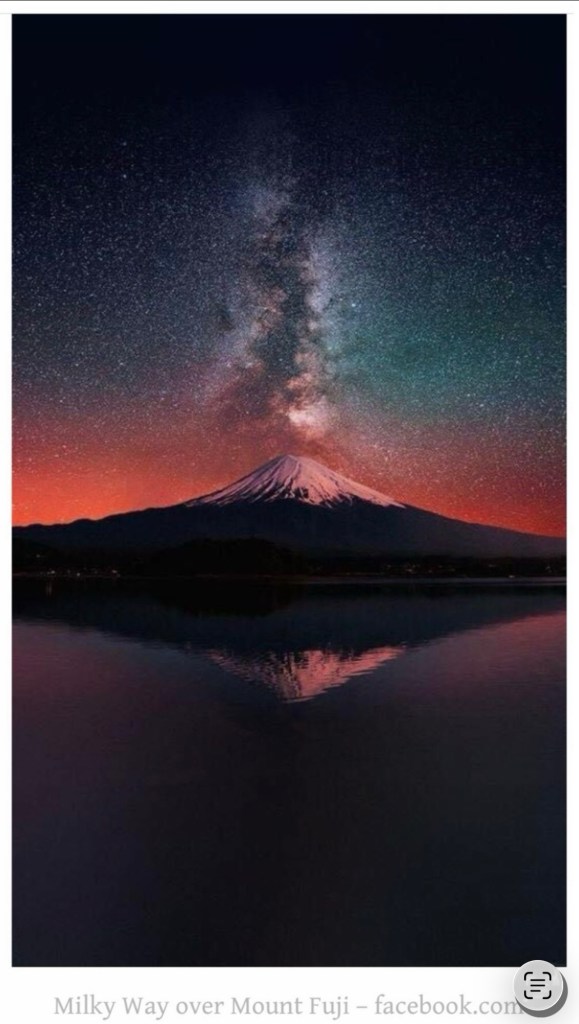
The word omoi, originally spelled omohi, was commonly used in classical poetry because the last syllable of the word puns with hi (fire), so it could signify burning passion. Many love poems of the period compare the poet’s burning passion with the molten peaks of either Mount Fuji or Mount Asama, as two of the most active volcanoes in Japan.
*******
otoko naki (crying of men)
In contrast to the stoic image of the ideal male in the West, the ability of the Heian nobleman to show emotion through tears was expected, if not required. Someone unable to weep when appropriate would have been seen as unfeeling. Whereas women wept quietly, modestly hiding their faces with a sleeve, men usually vented their despair loudly, shedding great tears. ‘Man-crying’ remained common until the Meiji period (1868–1912), when it became the norm not to cry in public.
*******
gata. si parca universul meu este deja mai intunecat.
am trait pentru cateva zile in vremurile heian, unde se pare ca sufletul meu inca mai zaboveste comfortabil.
asa o traire nu ar fi fost posibila fara traducerile excelente ale poemelor, si mai ales fara notele explicative ale traducatorului – Peter MacMillan.
totul este atat de compet construit, incat notele contin si transcrierea romanizata a poeziilor – ceea ce imi pare un dar divin, pentru ca tocmai mi-am cumparat varianta in japo a cartii. desi am frunzarit-o si m-a apucat deznadejdea, va fi – poate, distractiv.
The poem expresses the poet’s delight at a scene so wonderful that even the gods of old could not have imagined it.
*******
since ancient times the god of Sumiyoshi has been revered as the deity of Japanese poetry
*******
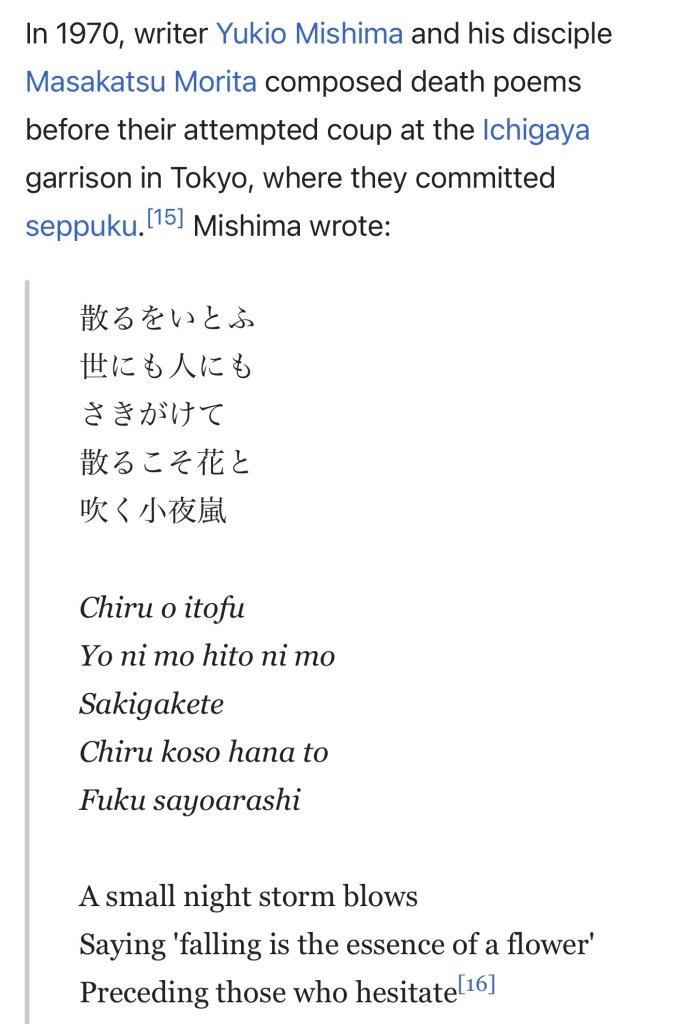
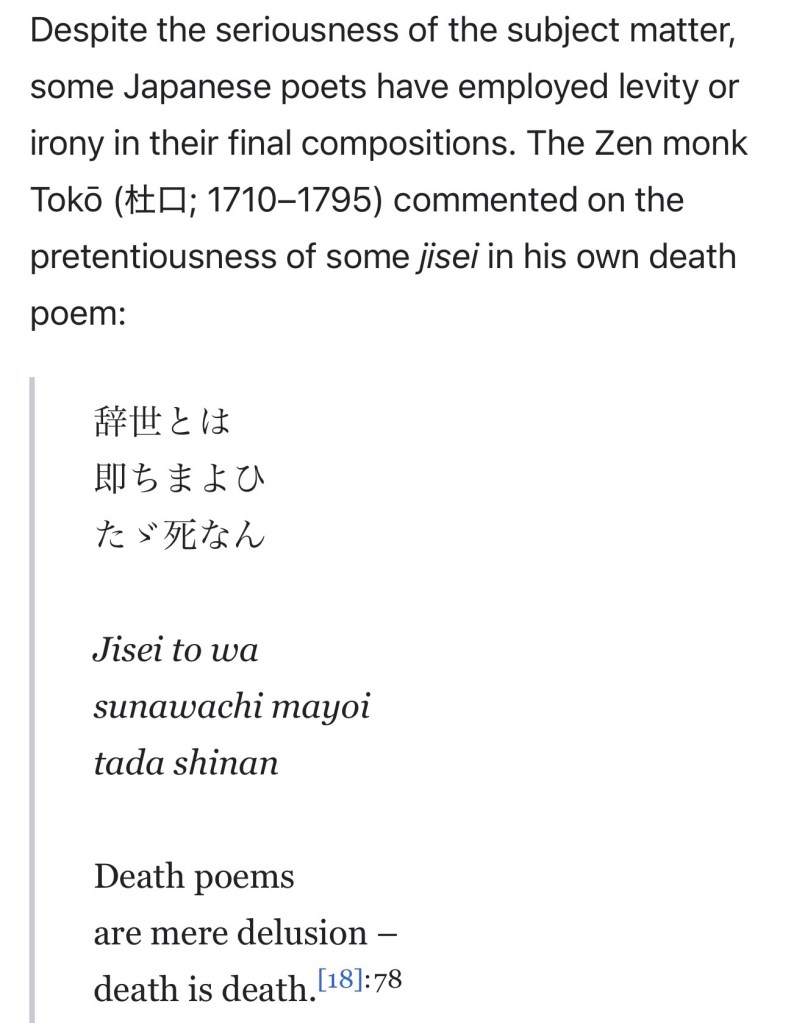
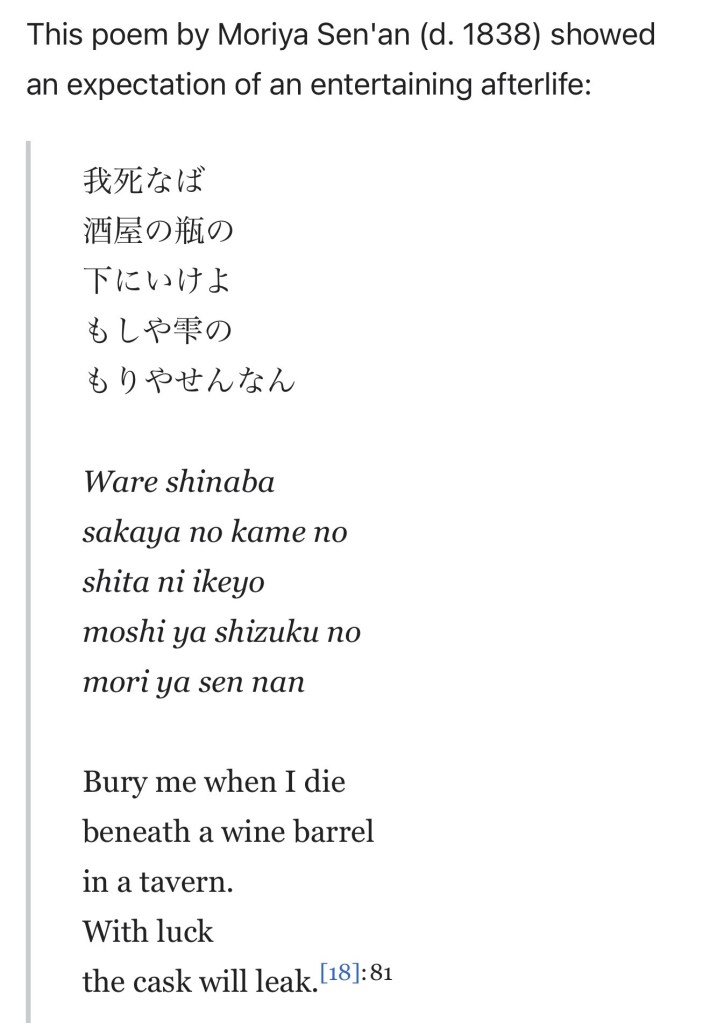
In Japan, it was common to compose ‘death poems’ (jisei no uta); most have a Buddhist flavour and speak of the emptiness of the world, often as though composed from the standpoint of someone who has achieved enlightenment.
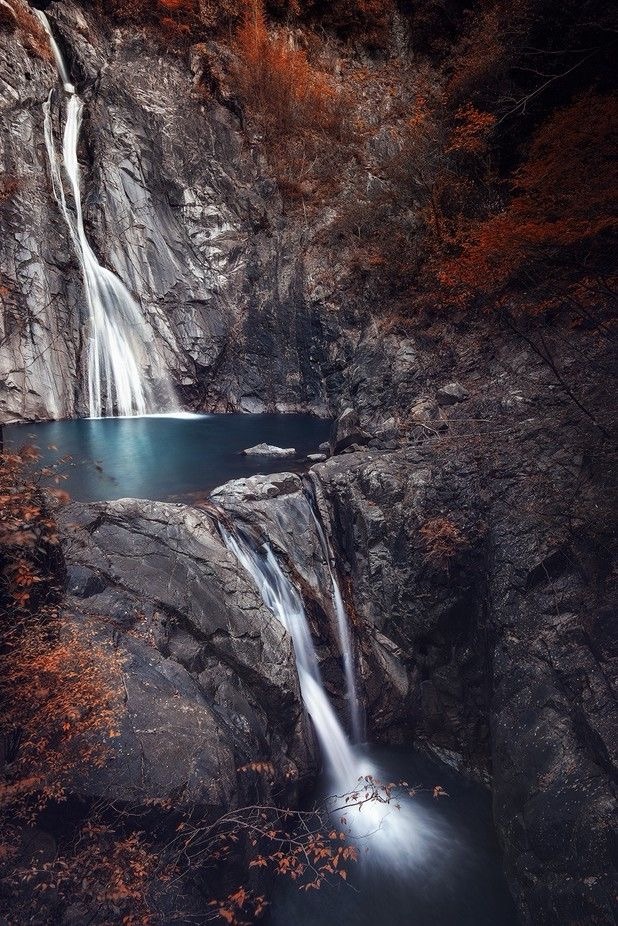
The Nunobiki Falls are a renowned series of waterfalls in the mountains east of Kobe. The name ‘Nunobiki’ (literally, ‘cloth-pulling’) likens the cascades to cloth being stretched out to be bleached.
forbidden colours: These refer to colours that only people of special rank, or those with permission to do so, could wear. Since the lady was a favourite of the emperor, she would have been allowed to wear deep red and purple.
[…]
It was customary to avoid mentioning the actual names of emperors and members of the high nobility. As a result, they were often referred to by the name of the place where they lived or had been buried.
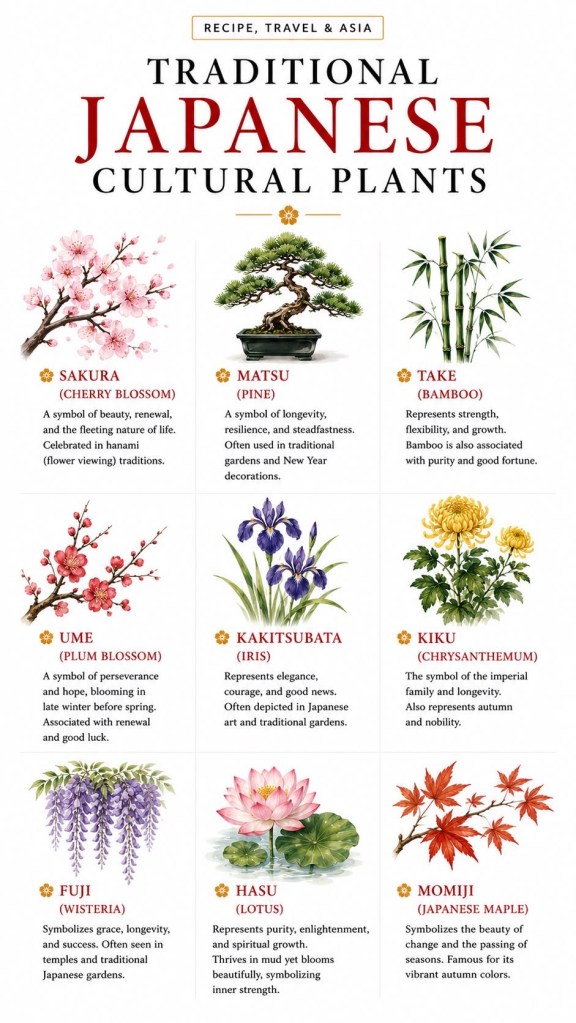
In China, the chrysanthemum was associated with the realm of the immortals and therefore had the image of perpetual youth and longevity, associations that were carried over with the flower when it was brought to Japan in the Heian period.
*******
The ‘path of dreams’ (yumeji) traditionally leads to the home of one’s beloved.
In Heian romance, if a man is unable to reach a lady even in his dreams, it means that she is not thinking of him.
*******
The poem employs the frequently used expression koto no ha (leaves of words), translated here as ‘the things you said’.
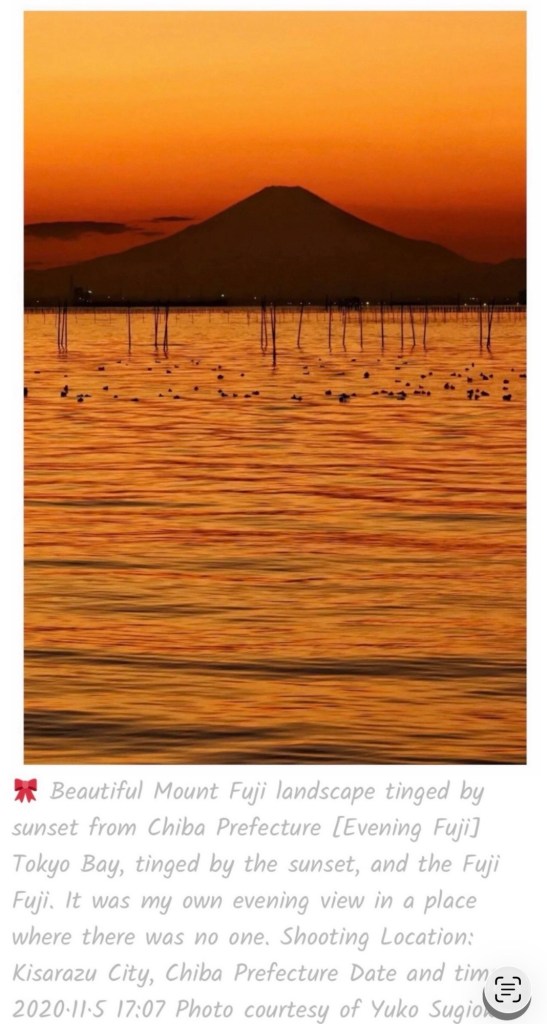
As the only two known active volcanoes at that time, Mount Fuji and Mount Asama were often employed in love poetry to express burning passion.
*******
its acrostic or hidden word (mono no na no uta) in which each line starts with a syllable (ka-ki-tsu-ba-ta) that spells out ‘iris’.
*******
There are many similar instances in both Chinese and Japanese literature of songs or poems being written upon departure on a wall, pillar or other such surface within a house.