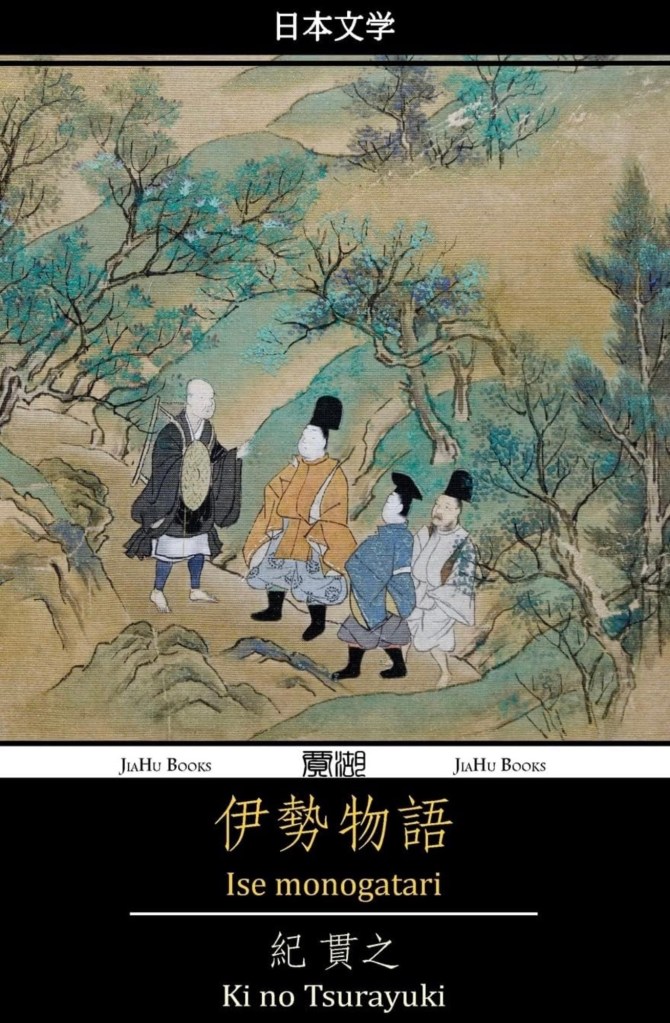
the tales of ise
*******
noh
A major form of Japanese musical drama, Noh has been performed since the fourteenth century, and is still regularly performed today. Traditionally, a Noh programme includes five plays with comic interludes (kyōgen); an okina Noh play, centred on a venerable old man and hence usually celebratory (see next entry), may be presented in the very beginning, especially at New Year and on other special occasions. Noh plays may be based on classic works of literature, such as the Kokinshū, The Tales of Ise and The Tale of Genji. Much of the pleasure of the plays derives from the poetic language sung in a rhythmic style and the many literary allusions.
*******
omoi/ omohi – thoughts or feelings, especially of love
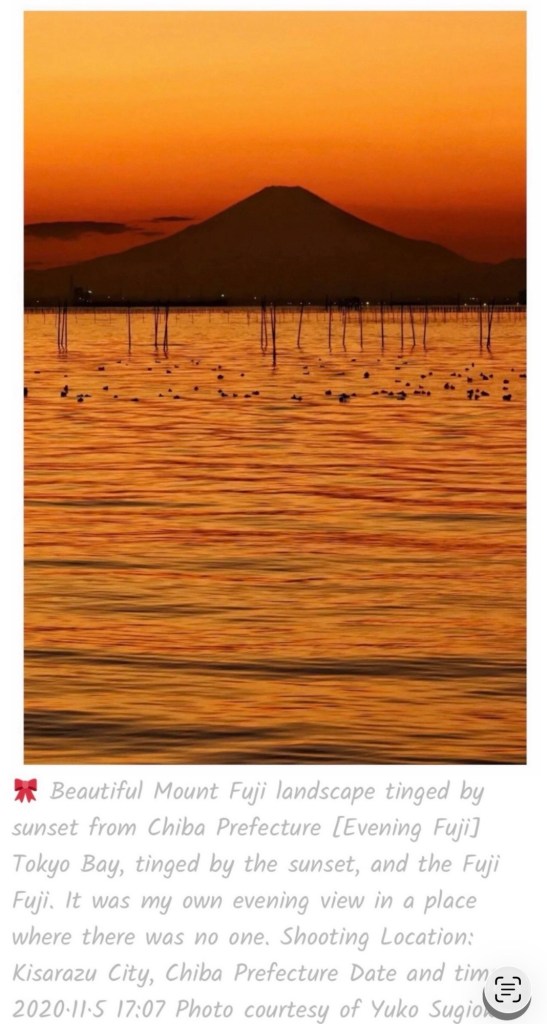
The word omoi, originally spelled omohi, was commonly used in classical poetry because the last syllable of the word puns with hi (fire), so it could signify burning passion. Many love poems of the period compare the poet’s burning passion with the molten peaks of either Mount Fuji or Mount Asama, as two of the most active volcanoes in Japan.
*******
otoko naki (crying of men)
In contrast to the stoic image of the ideal male in the West, the ability of the Heian nobleman to show emotion through tears was expected, if not required. Someone unable to weep when appropriate would have been seen as unfeeling. Whereas women wept quietly, modestly hiding their faces with a sleeve, men usually vented their despair loudly, shedding great tears. ‘Man-crying’ remained common until the Meiji period (1868–1912), when it became the norm not to cry in public.
*******
gata. si parca universul meu este deja mai intunecat.
am trait pentru cateva zile in vremurile heian, unde se pare ca sufletul meu inca mai zaboveste comfortabil.
asa o traire nu ar fi fost posibila fara traducerile excelente ale poemelor, si mai ales fara notele explicative ale traducatorului – Peter MacMillan.
totul este atat de compet construit, incat notele contin si transcrierea romanizata a poeziilor – ceea ce imi pare un dar divin, pentru ca tocmai mi-am cumparat varianta in japo a cartii. desi am frunzarit-o si m-a apucat deznadejdea, va fi – poate, distractiv.